Posts

Showing posts with the label puppies

Puppy Proofing Your Home

Image
PUPPIES!! Puppies are curious creatures with a lot energy. They cute, fun and tiring! Below, I have composed a couple of lists on how to "puppy proof" before you bring home your little fur ball of energy. I have divided the lists into indoor (orange) and outdoor (green) safety: It seems like A LOT, right? But, there is more.... on to the outdoor safety... In addition, make sure you do a thorough "walk around" your yard to make sure there are no hazards like broken glass, exposed nails and sharp objects to injure your puppy. Once these lists are completed, you can have peace of mind, but always remain alert and observant with your puppy.
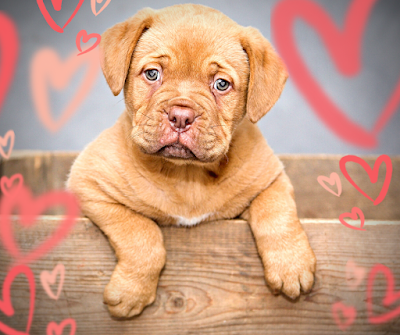
Five Puppy Behaviors to Nip in the Bud Early

Image
   Puppies are highly receptive to learning the first 16-weeks of their lives. But that doesn't mean a dog older than 16-weeks cannot be trained. To foster a well-behaved adult dog, it's crucial to address specific behaviors in puppies early on. Here are five of behaviors you should consider focusing on early in your dog's life:  Chewing:  Puppies will chew on things for a variety of reasons. Just like a human baby, your puppy may be teething and chewing on things provides relief. Another reason is that your puppy is bored and looking for exploration. To help your puppy, provide lots of chew toys & redirection when chewing on an unacceptable item. In addition, you will want to make sure your puppy is getting enough exercise-- physical and mental-- to allow their natural tendency to explore to be satisfied.  Biting:  When dogs play, they naturally nip at each other, and usually will let a play partner know when play is becoming too rough. One way a ...

Potty Training Your Puppy

Image
Whether you just adopted a puppy or an adult dog, chances are you are going to have to house train your dog to do the business in the appropriate place. For most dogs, it will take 4-6 months to a year of diligence to potty train. But, depending upon your new dog's previous living conditions and already developed habits, it could take longer or they could already be trained! If you have a straight out of the womb puppy, you will need to begin potty training at about 12-16 weeks. Whatever the scenario, you are going to need: consistecy patience positive reinforcement When you first bring your new addition to the house, limit where he/she can roam. This will give you a more controlled environment and give your dog less options to use as a toilet. Then, follow these steps: Dog language for using the bathroom: Whining Circling Sniffing Barking and Scratching at the door  As training progresses, you can offer more freedom for your furry family member to roam aroun...

Puppy Biting 101

Image
You just brought home a bundle of fuzziness that slept all day, but now this furball is running around, nipping, jumping and biting. OUCH! As a human, our first reaction is to think that this puppy is naughty and going to become an aggressive dog if we don't do something....and fast! Although, yes, biting needs to be dealt with, it does not necessarily mean you have a "bad apple". It means your puppy is in fact a canine. Puppies bite for a number of reasons: They could be teething and the biting action is relieving the itchiness of their teeth coming in. They are also learning how to play. If you watch puppies at a young age play in a pack, they bite. As they get older and their litter mates teach them that biting hurts through a yelp or cry, a puppy soon learns to be gentle. Puppies will also bite to get your attention, and it works! On the flip side, a puppy may bite if they are sick, hurt or just not socialized correctly. It is extremely important to pay attention t...

Prepping a Puppy for Grooming

Image
  Do you have a new puppy, or planning on getting a new puppy soon? Set them up for success by getting them used to the grooming and bath process at a young age. The most critical learning period of a dog's life is in the first 6 months. By positively introducing the process of grooming to your puppy, you will help your puppy have a nice association with brushes, combs, nail clippers and handling. At all times, this process should be done gently, with positive reward. This is a process of gentle guidance with no resistance.  Handling your puppy-- In this first step, you will be helping your puppy get used to being touched in areas that a dog is naturally uncomfortable with being handled-- the face, top of the head, feet, bottom and tail. When the puppy is cuddling and sleeping next to you, start with belly rubs in a slow, gentle circular movement. If the puppy is ok with this, you can slowly start to pet other parts of the body starting with the legs in slow, downward strokes ...

How Much Sleep Does a Puppy Need?

Image
So you got a new puppy and for most of the day this little fur ball is the cutest thing in the world. But during particular times of day, your little wiggly butt turns into a beast of incessant barking and biting. Let's face it, those puppy teeth HURT. So what's up with that? Chances are, your puppy is tired and overstimulated. Puppies need A LOT of sleep, and I mean A LOT. Dog's sleep more than humans (lucky them), but a puppy needs more sleep than most people think. The younger the puppy, the more sleep they will need. A newborn puppy will sleep about 22 hours a day and use the rest of it's time for things like nursing. At 3-months, your puppy will need about 15-20 hours of sleep a day. This sleep is crucial for body development. Things like: building muscle, brain development and improving the immune system. If your puppy does not get enough sleep, you get a cranky, destructive teeth chomper that is at risk for infections and illness. NOT GOOD. The problem is th...